
Seven Tips for Winterizing Your Dog

Oh, the weather outside is frightful…and our dogs are so delightful! Winter weather is upon us, and as you bundle up and check the antifreeze in your car, don’t forget about winterizing your dog.
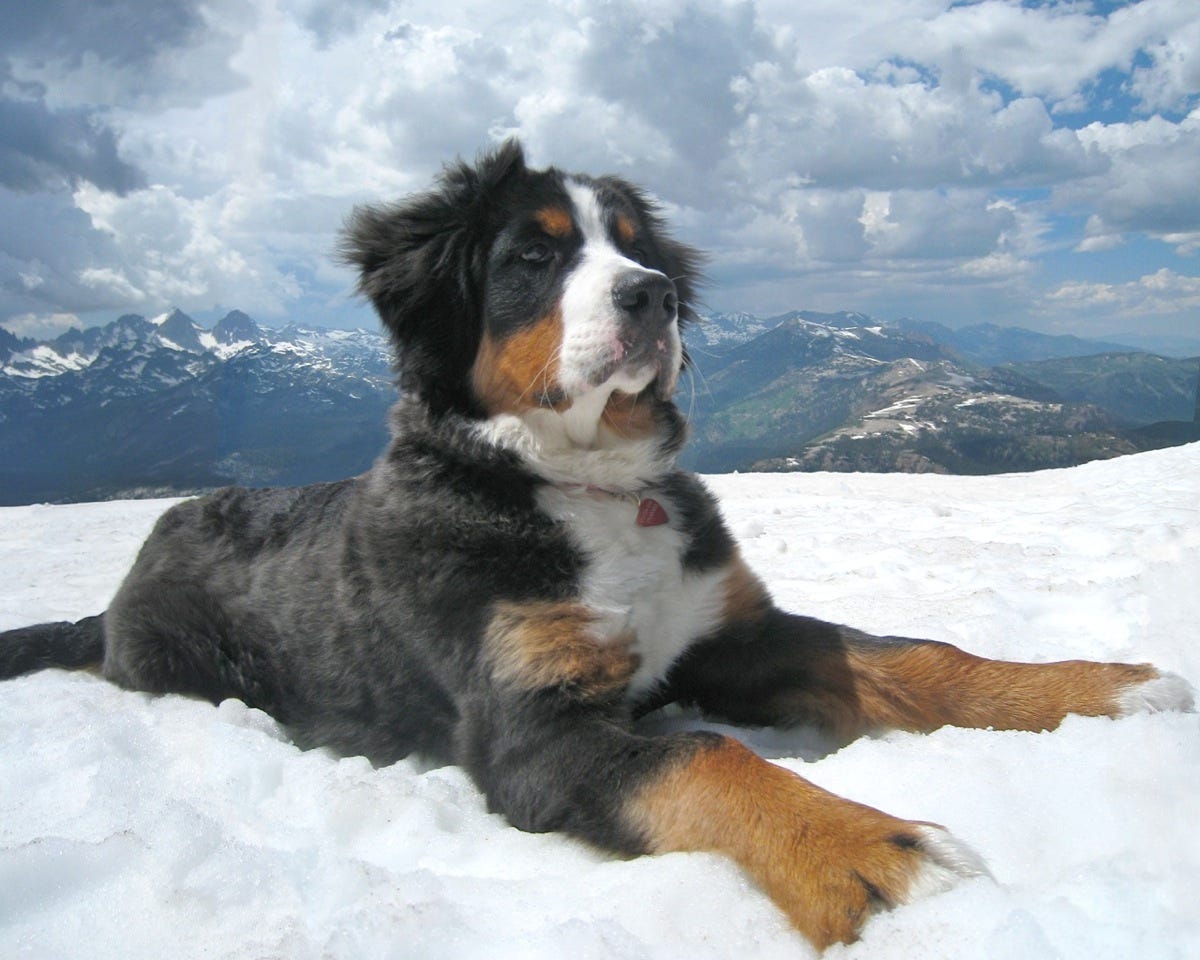
Here are seven tips for keeping your pets cozy, comfortable, and healthy this winter:
No matter the weather, the vast majority of dogs prefer to live indoors with their humans, and I hope you allow this to happen. If your living situation absolutely prevents this, please provide your dog with an enclosed shelter that is warmed by a heating device and contains plenty of clean, dry bedding.
Just as arthritis can be more problematic for us when the temperature drops, so too does this apply to our dogs. Symptoms can include stiffness first thing in the morning and being tentative when navigating stairs, getting into the car, and jumping on and off the furniture. These days, there are so many beneficial treatment options for soothing arthritis discomfort. I encourage you to contact your veterinarian to learn about them.
Antifreeze is super toxic to dogs. Even a few licks of the stuff can cause kidney failure and severe neurological symptoms, often resulting in death. Unfortunately, ethylene glycol, the main ingredient in most antifreeze products, has a naturally sweet taste and no strong smell, which makes it attractive to dogs. Make sure your car isn’t leaking antifreeze and store containers in a safe place. If you think your dog has consumed any antifreeze whatsoever, head to your veterinarian or the closest emergency clinic ASAP.
Wintertime is definitely dress-up time for dogs, when the clothing is functional rather than just adorable. Just like us, many dogs are more comfortable outside when wearing an extra layer. Smaller dogs in particular have difficulty maintaining a normal body temperature when exposed to freezing conditions. If the love of your canine life is an arctic breed (malamute, husky, samoyed), no need for canine clothing! Check out my Washington Post interview on this topic.
As tempting as it may be to spend the day cozied up next to the fireplace, remember, no matter the weather, your dog still needs exercise. If the weather is truly too inclement for both of you to be outdoors, look for an indoor dog park or consider doggie day care, assuming your dog enjoys such venues.
I’m all for hiking with dogs off leash, but this time of year, be extra cautious around frozen ponds and lakes. Not only is falling through the ice hazardous for dogs, it creates a situation that often becomes life threatening for the humans involved in the rescue operation.
Salt on sidewalks and roads and even ice that adheres to all of that fuzzy hair between your dog’s toes can create irritation and sores. Inspect and rinse your dog’s tootsies as needed.
What steps do you take in winter to ensure your dog stays happy and healthy?
Best wishes to you and your four-legged family members throughout this holiday season,
Dr. Nancy
drnancykay.com
Number 6!! I lived on a lake for 30 years... I never, ever let my dogs out loose (ever, but especially in winter). My brother, a retired police officer, would tell people who called the station asking if the lake is safe: "No, the lake is not safe." Ours was a spring-fed lake and lots of soft spots that never really froze, even in deep New England winters. Also, wide-open space. Dog runs across lake, he's gone. Human can't follow as swiftly and risks falling in because we're heavier. There's so much I could say about this! Thanks for including it in your list.
This is a challenging teaching topic for me because outdoor dogs are quite prevalent in rural TN, especially as livestock guardian dogs. We try to provide good guidance about keeping them safe. Thank you for this info!