
Vaccine Hesitancy

According to a recent New York Times article, anti-vaccine sentiments are spilling over into veterinary medicine. A 2024 survey estimated that 21.7 percent of dog owners and 25.9 percent of cat owners are vaccine hesitant. Oy…

I won’t discuss human vaccines here, for the same reason I have no desire to walk into an airplane propeller. But for nonhuman animals, I must speak my mind, because I want you to be outstanding medical advocates for your pets. Heck, I wrote an entire book about this!
Canine and feline vaccines save lives
Vaccines are an invaluable tool for giving us what we most want: more time with our animal companions. Consider:
Canine parvovirus: The vaccine protects against this highly contagious disease that causes profuse vomiting and diarrhea, and is invariably fatal without aggressive therapy
Canine Distemper: Treatment or no treatment, this respiratory and neurological disease causes death in 80% of infected puppies.
Rabies: All mammals can get rabies (yes, we are mammals). Once symptoms arise, the disease is universally fatal. Remember the movie Old Yeller? I cried my eyes out watching it. If you’re too young to remember, the plot goes like this. A beloved family dog (best doggone dog in the west) catches rabies and has to be put down (the old fashioned way). Rabies is nothing to mess around with.
Which vaccines for your pet?
While I have zero doubt that vaccines save lives, not every animal should receive every vaccine. For example, why give the rattlesnake vaccine with no snake exposure? Why vaccinate a penthouse Pomeranian for Lyme disease? Why expose a dog or cat to any vaccine risk whatsoever when there’s no possible benefit to be gained?
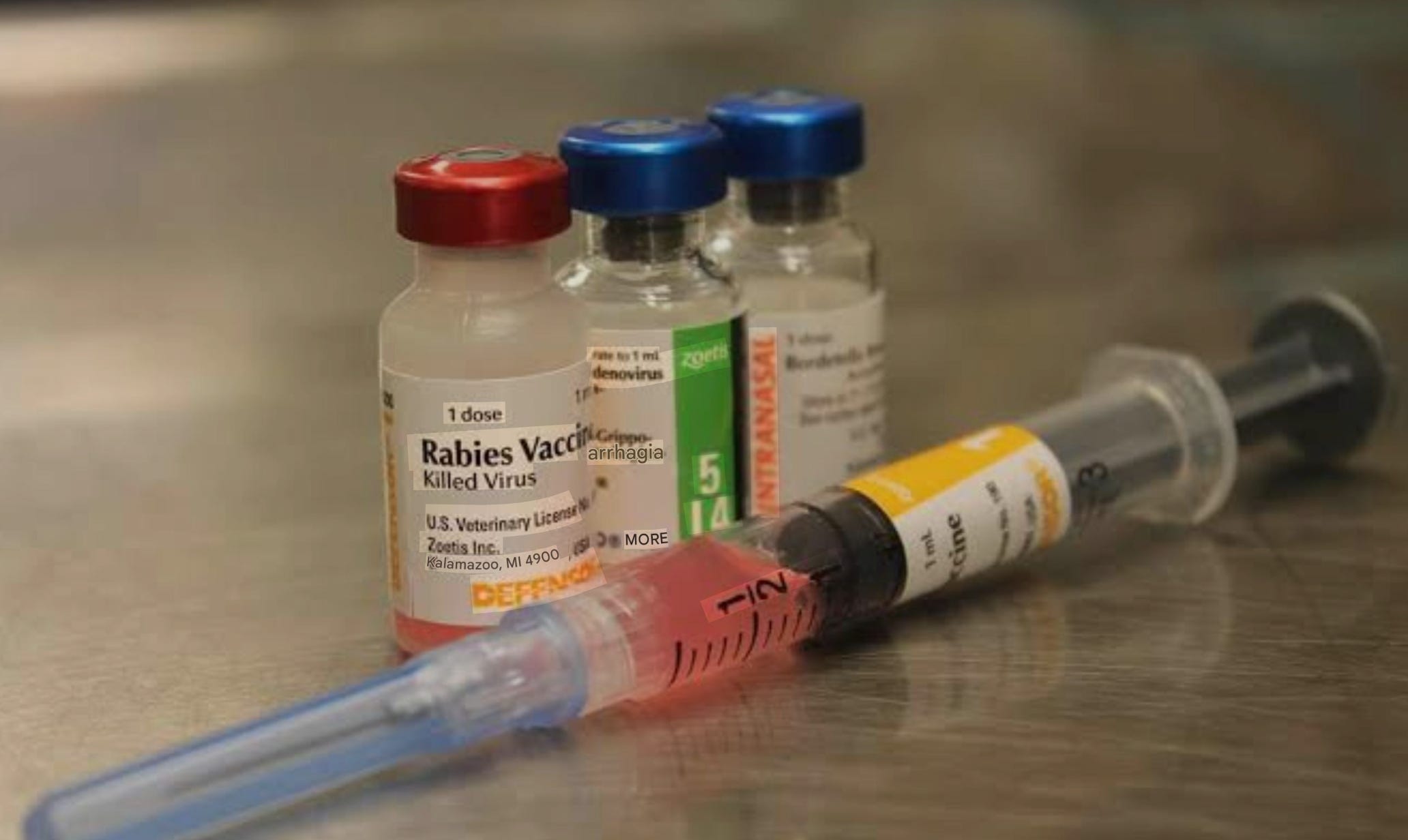
As with any medical procedure, vaccinations can cause adverse reactions. Fortunately the incidence of serious and life-threatening adverse reactions is extremely low. Statistics are of little consolation, however, if your pet happens to be affected.
Discuss which vaccines are important for your pet with a trusted veterinarian. Not keen on giving vaccinations? Ask your vet for antibody testing, aka vaccine titers, to determine if your pet still has protective immunity. Just how long protection lasts varies from animal to animal.
Formal guidelines for canine and feline vaccines, as created by the American Animal Hospital Association and the American Association for Feline Practitioners can be found here.
What’s your philosophy about vaccinating your pets? Do you discuss the options with your veterinarian?
Best wishes to you and your four-legged family members for abundant good health,
Dr. Nancy
drnancykay.com
I have put a lot of work into the vaccination issue for my dogs.
I have do doubt that the core vaccines are essential. However, what I requested was the following:
- initial shot plus booster only, then titers
- separating each by month
- of course, no vaccinating a sick dog
I do have my misgivings about the rabies vaccine legislation. At least, here it has to be only every three years. However, I had bit hopes in the Rabies Challenge project. But so far, that came to nothing.
Depending on situation, I gave lepto a couple of times, and was mulling the lyme. But never gave the lyme because we weren't finding any ticks on my dogs as well as both me and our vet determined that it wasn't likely that it would go under the radar with me.
I get all the basics; rabies by law; and lepto every year since it is endemic here. I have my dogs titered every few years; so far no additional vaccines are needed, 7 years from basic ones.